

Commercial Shipping Re-routing: Evaluating Global Freight Metrics and Maritime Insurance Trends
An in-depth corporate analysis of current shipping lane risk premiums, container logistics management, and global commercial transit resilience.
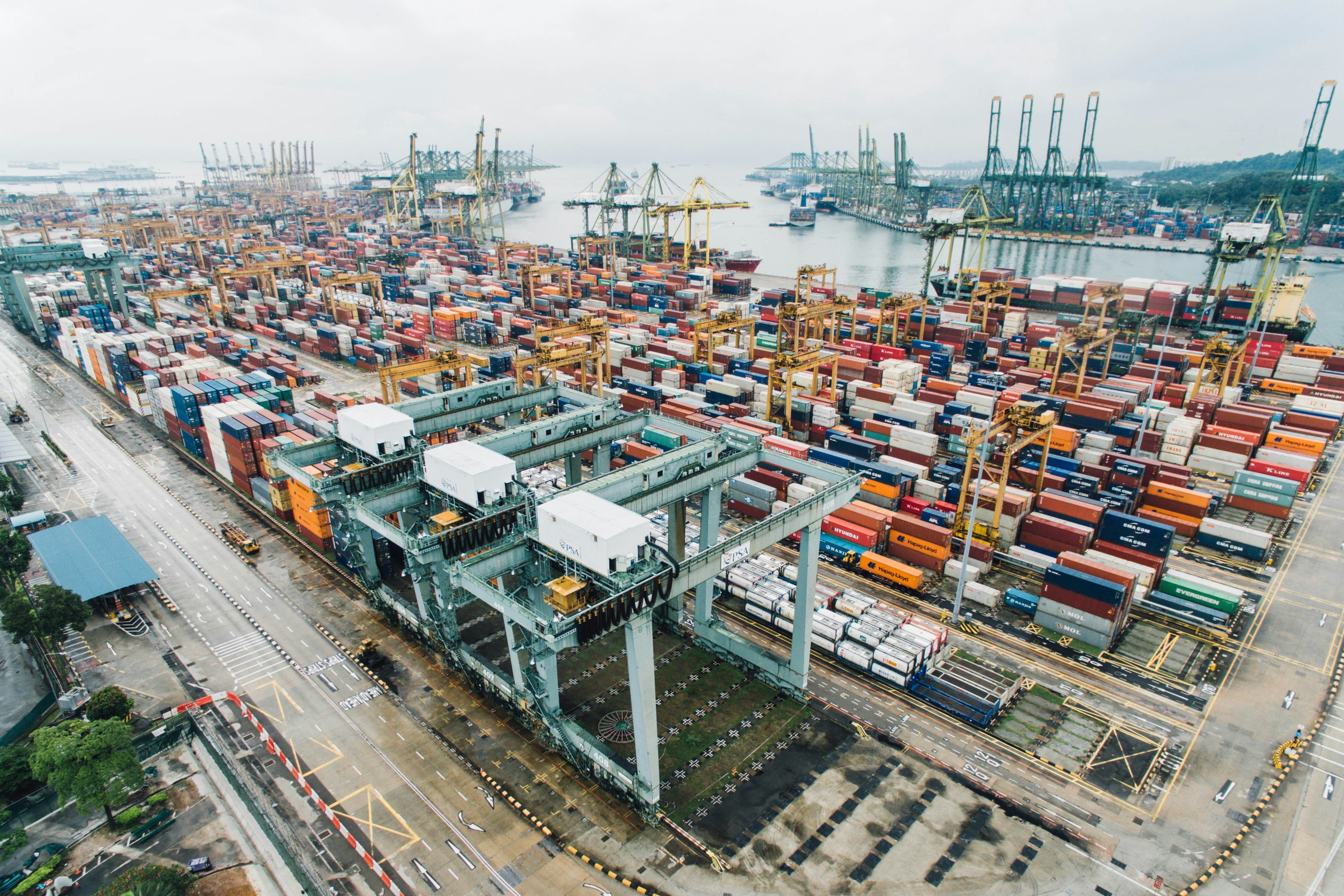
The mechanics of international commerce rely heavily on predictable maritime pathways. Following recent diplomatic declarations affecting trade infrastructure across critical transit points, commercial logistics networks are implementing proactive framework adjustments. For supply chain managers, calculating fluid operational variables is standard protocol for preserving corporate continuity under shifting regional data points.
Evaluating Maritime Insurance Risk Premiums
One of the most immediate indicators of maritime logistical changes appears within institutional underwriting syndicates. Insurance markets monitoring merchant vessel transits through critical water gateways have adjusted their short-term risk assessments.
While standard hull coverages remain operational, temporary adaptations in war-risk premiums have been implemented for commercial vessels. According to trade data, these pricing micro-adjustments are standard industry mechanisms designed to balance structural parameters during active multi-lateral policy transitions.

Freight Rates and Container Allocation Trends
Global container allocations show significant resilience as international shipping alliances apply modern optimization tactics. Analysis of recent freight indexes indicates that container distribution structures are absorbing current trends effectively:
- Spot Rate Adjustments: Short-term spot market freight rates for Asia-to-Europe lanes indicated minor adjustments, which remained well within established standard deviations.
- Bunker Adjustment Factors (BAF): Fuel cost hedging models are neutralizing potential price spikes, preserving baseline shipping metrics for international commercial syndicates.
- Alternative Route Feasibility: Commercial liners are keeping contingency route blueprints—such as Cape of Good Hope routing—fully verified, ensuring uninterrupted delivery cycles.
Long-Term Supply Chain Resilience Frameworks
Corporate entities are focusing on multi-modal logistics to mitigate potential congestion points. Increased investment in rail networks across Eurasian corridors and advanced predictive tracking systems allow modern freight networks to adjust transit times in real-time. This structural agility minimizes the impact of localized administrative changes on consumer product delivery.
"Logistics Strategy Insight: Diversifying freight corridors is no longer an optional backup strategy, but an active standard operating model. Modern commercial networks excel at absorbing localized administrative shifts by employing dynamic vessel scheduling and responsive port-diversion algorithms."


![[FREE] PRESET LIGHTROOM TERBARU 2021 | CINEMATIC URBAN STREET PHOTOGRAPHY | HUMAN INTEREST PRESETS](https://blogger.googleusercontent.com/img/b/R29vZ2xl/AVvXsEjZlqHBtvZuJ0PY9tPlEw-io5ysuKohuvbA4wB7LOASM1ScyDn372qTFXZaHQn-f_U52Hxq5WhT8bonNDq9fba3OytPmv6-eZlpBZ2Yp864EqOHBTwGy3mVA2R6MsMsiivlhte_qg57Huim/w680/20210905_211129.jpg)
0 Comments