

Hormuz Logistics and Commodities: Analyzing the Economic Impact of Latest US-Iran Developments
A comprehensive macroeconomic analysis on global trade routes, energy supply dynamics, and international market reactions to recent Middle Eastern diplomatic shifts.

International financial markets are closely monitoring evolving diplomatic developments in the Middle East. Following recent official statements concerning maritime trade security and diplomatic strategies surrounding the Strait of Hormuz, commodity corridors are adjusting to shifting market sentiments. Understanding these macroeconomic variables is crucial for asset managers and trade analysts navigating mid-2026 volatility.
The Strait of Hormuz: A Critical Global Supply Line
From a logistics standpoint, the Strait of Hormuz functions as the world's most vital energy choke point. Accounting for the transit of approximately one-fifth of global liquid petroleum consumption, any diplomatic friction between Washington and Tehran immediately triggers reaction curves in global energy registries.
Recent rhetoric regarding the potential verification of shipping channels has prompted swift statements from maritime authorities. While speculative positions initially caused a short-term fluctuation in Brent Crude pricing, immediate reassurances from key OPEC producers have helped stabilize baseline market expectations.
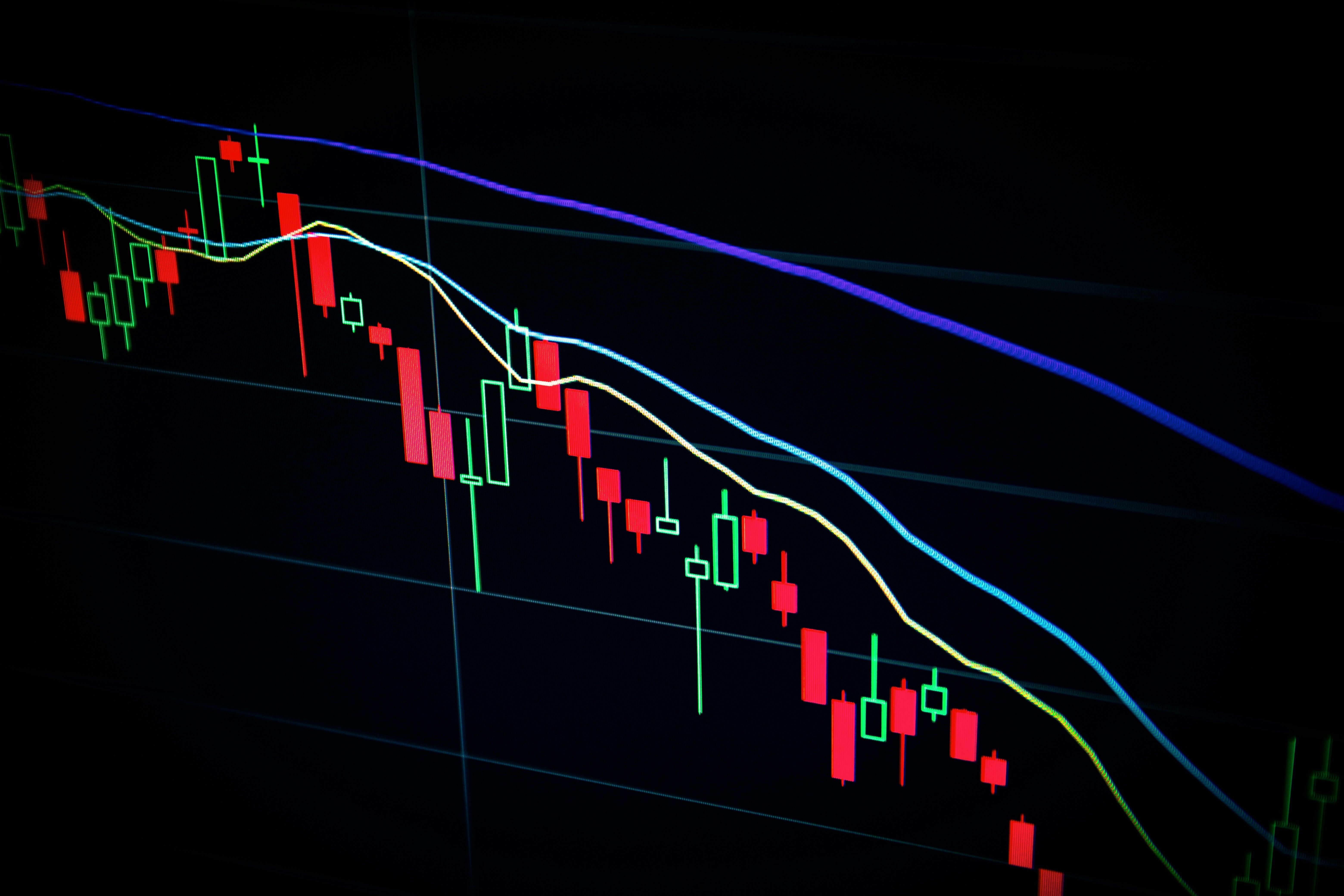
Commodity Market Reactions: Crude Oil and Safe-Haven Assets
Historically, geopolitical friction involving major oil-exporting nations prompts structural shifts across multiple asset classes. When analyzing the current economic data, two major trends have emerged:
- Energy Price Adjustment: West Texas Intermediate (WTI) and Brent crude futures registered localized resistance levels before consolidating as global supply routes remained systematically uninterrupted.
- Gold and Precious Metals: Capital flows toward safe-haven assets remained stable, with spot gold showing marginal adjustments as institutional portfolios diversified risk.
- Global Equity Indices: Major tracking indices across Europe and Asia maintained standard operational margins, indicating that market participants had already integrated the current political climate into baseline risk assessments.
Future Outlook and Trade Policy Implications
Moving forward, the primary focus for economic planners remains on diplomatic discussions and official trade policies. The maintenance of open communication channels between global regulatory bodies and shipping consortiums suggests that systemic disruptions to global supply chains remain unlikely.
"Economic Insight: Modern international markets show high resilience toward policy declarations. As long as physical freight corridors maintain active operations, global energy supply metrics will heavily prioritize structural supply-and-demand indicators over short-term diplomatic statements."


![[FREE] PRESET LIGHTROOM TERBARU 2021 | CINEMATIC URBAN STREET PHOTOGRAPHY | HUMAN INTEREST PRESETS](https://blogger.googleusercontent.com/img/b/R29vZ2xl/AVvXsEjZlqHBtvZuJ0PY9tPlEw-io5ysuKohuvbA4wB7LOASM1ScyDn372qTFXZaHQn-f_U52Hxq5WhT8bonNDq9fba3OytPmv6-eZlpBZ2Yp864EqOHBTwGy3mVA2R6MsMsiivlhte_qg57Huim/w680/20210905_211129.jpg)
0 Comments