

The Evergreen System: Deploying Algorithmic Trading Bots via Automated Cloud Architecture
Step-by-step programmatic integration of MetaTrader 5 environments with low-latency Virtual Private Servers (VPS) for zero-drag algorithmic accumulator execution.

In the rapidly evolving world of retail quantitative finance, the difference between a profitable algorithmic strategy and a failing one often comes down to operational friction. While many traders focus entirely on maximizing the statistical accuracy of an entry signal, professional developers know that execution stability and infrastructure latency are the actual foundations of sustainable market generation.
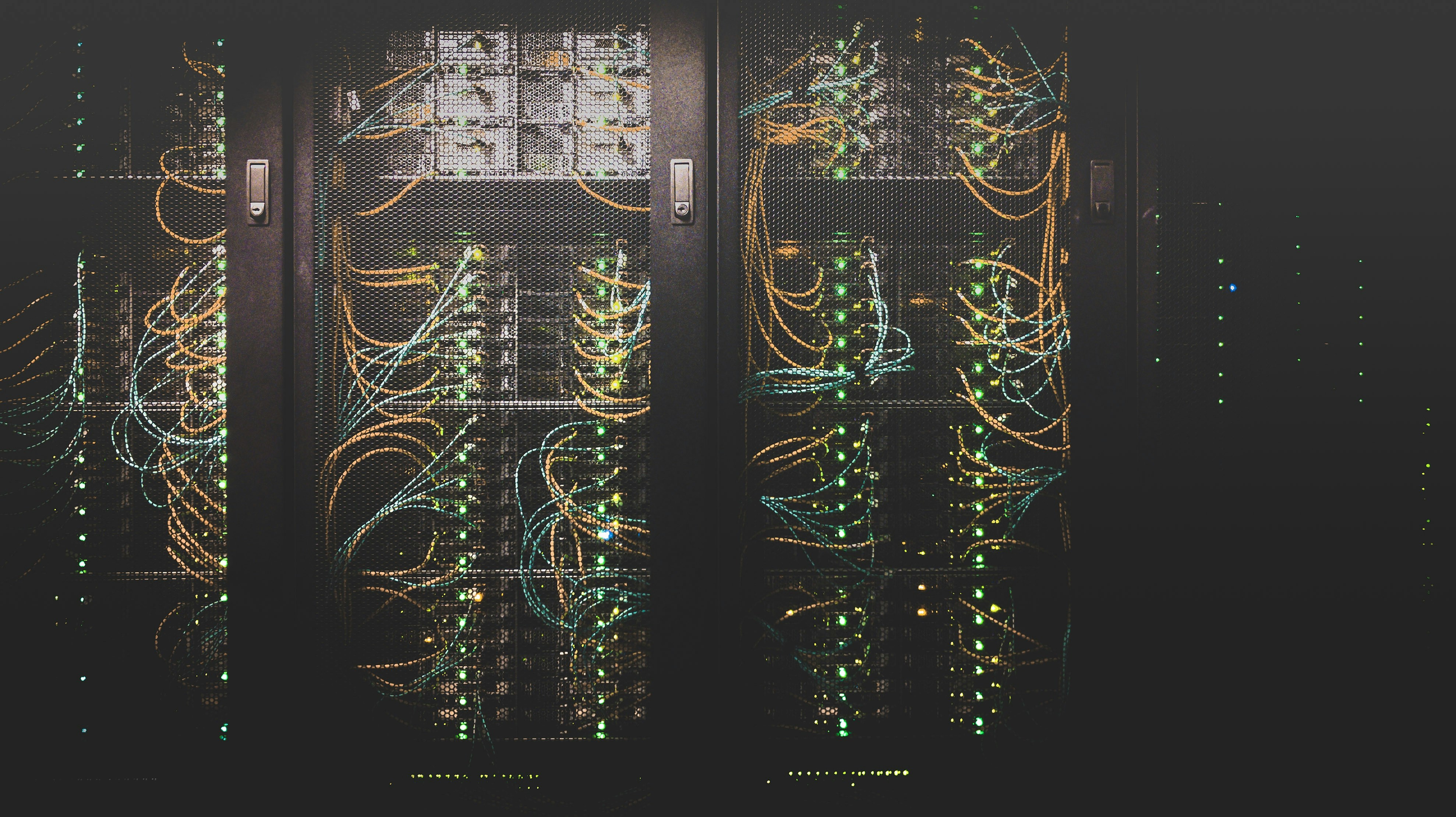
To build a truly hands-off, evergreen income pipeline through automated systems, you must move away from running code on local personal hardware. Local network outages, hardware overloads, and unexpected operating system updates create unacceptable execution risk. The standard enterprise approach involves deploying robust, compiled Expert Advisors (EAs) directly inside dedicated cloud environments.
1. Designing the Technical Architecture for Automation
A stable automated trading setup consists of three core layers working together seamlessly: the indicator validation layer, the algorithmic rule execution engine, and the remote server layer. Rather than overloading your primary trading bot with heavy background mathematical computations, professional systems delegate complex tasks to dedicated external data streams.
For instance, using secondary confirmation filters like the Relative Strength Index (RSI) or Average True Range (ATR) shouldn't be the primary trigger for a market order. Instead, they should function as a structural filter, running quietly in the background memory and only granting execution clearance when specific historical parameters are met.
2. Code Blueprints: Implementing a Modular System Structure
The clean Object-Oriented object architecture below shows how to wrap a technical strategy into a production-ready, object-oriented framework. This system securely checks underlying server environment variables, runs systematic validation logic, and prints clean log metrics ready for direct terminal debugging:
#property copyright "Handi Ahmad - Quantitative Infrastructure"
#property version   "4.00"
#property strict

class SmartAccumulatorEngine {
private:
    string    m_system_vps_id;
    bool      m_secondary_rsi_filter;

public:
    SmartAccumulatorEngine(string vps_id, bool enable_rsi) {
        m_system_vps_id = vps_id;
        m_secondary_rsi_filter = enable_rsi;
    }

    bool ValidateExecutionEnvironment() {
        if(m_system_vps_id == "") {
            Print("Infrastructure Failure: Cloud Server Environment ID not verified.");
            return false;
        }
        return true;
    }

    void ProcessMarketTick(double current_price, double rsi_value) {
        // RSI is utilized exclusively as a secondary validation filter
        if(m_secondary_rsi_filter && (rsi_value > 70.0 || rsi_value < 30.0)) {
            Print("Execution Blocked: Secondary RSI parameter boundaries exceeded.");
            return;
        }

        Print("Signal Approved on Cloud Node: ", m_system_vps_id, " | Executing order at: ", current_price);
    }
};

void OnTick() {
    // Simulating systemic processing on a live cloud environment node
    static SmartAccumulatorEngine orchestrator("VPS-Node-US-East", true);
    if(!orchestrator.ValidateExecutionEnvironment()) return;

    double simulated_price = 1.0850;
    double simulated_rsi = 45.2; // Safe territory
    orchestrator.ProcessMarketTick(simulated_price, simulated_rsi);
}
3. Risk Management and Production Best Practices
Scaling your automated software operations requires implementing strict programmatic safeguards to protect capital from unexpected cloud connection drops:
- Automated Network Heartbeats: Program your system to continuously ping the broker's main server and automatically flatten open exposure if latency spikes past 200ms.
- Strict Memory De-allocation: Clean up dynamic runtime arrays immediately after processing data ticks to prevent system crashes on memory-constrained virtual instances.
- Multi-region Redundancy: Keep an identical compiled backup script on a separate cloud provider ready to take over operations via simple remote webhooks if the primary server goes offline.
"Operational Blueprint: Long-term software monetization in financial automation isn't about chasing erratic market swings; it's about building highly predictable, low-latency execution systems that systematically manage data variables without human emotional drag." — Handi Ahmad


![[FREE] PRESET LIGHTROOM TERBARU 2021 | CINEMATIC URBAN STREET PHOTOGRAPHY | HUMAN INTEREST PRESETS](https://blogger.googleusercontent.com/img/b/R29vZ2xl/AVvXsEjZlqHBtvZuJ0PY9tPlEw-io5ysuKohuvbA4wB7LOASM1ScyDn372qTFXZaHQn-f_U52Hxq5WhT8bonNDq9fba3OytPmv6-eZlpBZ2Yp864EqOHBTwGy3mVA2R6MsMsiivlhte_qg57Huim/w680/20210905_211129.jpg)
0 Comments